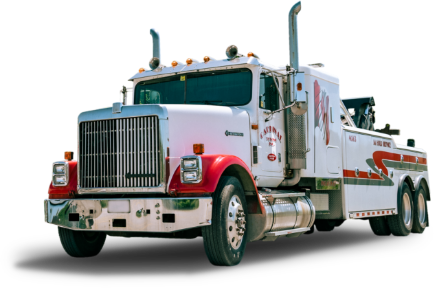

Breakdowns on Ontario highways happen every day. High speeds, long distances, heavy traffic, and weather place constant stress on vehicles. Many highway breakdowns are preventable, but small issues escalate quickly once a vehicle is moving at highway speed. Understanding the most common causes helps drivers act sooner and avoid unsafe situations.
1. Tire Failures
Tire failures are the most common reason drivers break down on Ontario highways. Blowouts, punctures, and tread separation happen more often at high speeds because heat builds up quickly. Underinflated tires and worn tread increase the risk even more. Road debris and damaged pavement also contribute to sudden tire damage. Many drivers discover too late that their spare tire is flat or unusable. Once a tire fails on the highway, it is rarely safe to continue driving.
2. Dead or Weak Batteries
Battery problems cause many unexpected highway breakdowns. Ontario’s cold winters shorten battery life, and summer heat weakens aging batteries. Even while driving, a failing battery can lose power, especially in newer vehicles that rely heavily on electronics. Warning signs such as slow starts, dim lights, or dashboard alerts are often ignored. Breakdowns commonly occur after stopping at rest areas or gas stations when the vehicle will not restart.
3. Engine Overheating
Overheating is a frequent cause of highway breakdowns, especially in warmer months. Low coolant levels, coolant leaks, failed thermostats, and broken radiator hoses are common issues. Highway driving keeps engines under steady load, which increases heat. When drivers continue driving after a temperature warning appears, the damage often becomes severe. Overheating can lead to warped components and engine failure in a short time.
4. Fuel-Related Problems
Running out of fuel still happens on Ontario highways. Long stretches between exits, traffic delays, and inaccurate fuel gauges all play a role. Some vehicles experience fuel pump or fuel system failures that feel like an empty tank. Fuel mix-ups also occur when drivers use unfamiliar vehicles. Fuel-related breakdowns are dangerous because highways offer limited safe stopping areas.
5. Brake Issues
Brake problems can force drivers to stop suddenly or pull over. Worn brake pads, overheated brakes, fluid leaks, and electronic brake system faults are common causes. Stop-and-go traffic and long downhill stretches increase brake wear. Warning signs such as grinding noises, vibration, or a soft brake pedal should never be ignored. Driving with brake issues on the highway is unsafe and often leads to complete brake failure.
6. Transmission Problems
Transmission failures often appear without much warning. Drivers may notice slipping gears, delayed shifting, or sudden loss of power. Heat, low transmission fluid, and internal wear are common causes. Once transmission problems begin, continuing to drive usually causes more damage. Many vehicles with transmission issues become immobile and cannot be driven off the highway safely.
7. Electrical System Failures
Modern vehicles depend on complex electrical systems. Alternator failures, wiring issues, sensor malfunctions, and software problems can cause vehicles to shut down or enter limp mode. When multiple warning lights appear at once, the issue is often electrical. Limp mode limits speed and power, making highway driving unsafe. These breakdowns almost always require professional towing.
8. Cooling System Leaks
Cooling system leaks are common, especially in older or high-mileage vehicles. Radiator hoses, clamps, and plastic fittings wear out over time. Highway vibration and pressure can cause sudden failures. Drivers may notice steam, warning lights, or a sweet smell before the engine overheats. Once coolant is lost, engine damage can happen quickly if driving continues.
9. Collision-Related Breakdowns
Even minor collisions can cause highway breakdowns. Damage to wheels, suspension, cooling systems, or sensors may prevent safe driving. Airbag deployment often disables the vehicle entirely. Ontario highways see frequent rear-end and side-swipe collisions during congestion and poor weather. Vehicles involved in accidents should be assessed and towed when necessary, even if they appear drivable.
10. Weather-Related Issues
Ontario weather plays a major role in highway breakdowns. Winter leads to dead batteries, frozen components, and traction damage. Summer heat increases the risk of tire blowouts and overheating. Rain, snow, and ice also raise the risk of collisions and roadside damage. Seasonal maintenance helps reduce weather-related breakdowns, but conditions can still overwhelm unprepared vehicles.
11. When You Need Help on the Highway
Highway breakdowns escalate quickly and leave little margin for error. Shoulders are narrow, traffic moves fast, and stopping in the wrong place can be dangerous. When a vehicle shows warning signs or becomes disabled, the safest choice is to pull over and call for professional help rather than trying to drive further.
Stuck on the Road? Cardinal Towing Can Help
We know how quickly small vehicle problems turn into serious situations on high-speed roads. Our team responds fast, secures vehicles safely, and gets drivers out of harm’s way.
If you are stranded on an Ontario highway or dealing with a sudden breakdown, contact Cardinal Towing for reliable, professional assistance when it matters most.