
When your car breaks down on the highway, the situation is serious and time matters. Traffic moves fast, visibility can be limited, and one wrong decision can put you and others at risk. In Ontario, knowing exactly what to do in those first few minutes can prevent injuries, secondary collisions, and costly damage.
Get Your Vehicle Out of Immediate Danger
Your first priority is reducing risk to yourself and other drivers. As soon as you notice a problem, turn on your hazard lights and slow down gradually. If the vehicle still has power, steer toward the right shoulder, an emergency stopping area, or the nearest off-ramp. Avoid stopping in a live lane whenever possible. Once stopped, straighten the wheels and apply the parking brake to prevent the vehicle from rolling.
Decide Whether to Stay in the Car or Get Out
On high-speed highways in Ontario, staying inside the vehicle is often the safest option. If you are on the shoulder and traffic is moving at highway speed, keep your seatbelt on and remain inside the car. Getting out can expose you to fast-moving vehicles. If you see smoke, smell fuel, or your car is stopped in an unsafe position, exit carefully and move well away from traffic, preferably behind a guardrail.
Make Your Vehicle Visible to Other Drivers
Visibility gives approaching drivers more time to react. Keep your hazard lights on at all times. If it is safe to do so, place reflective triangles or flares behind your vehicle, far enough back to warn traffic early. This is especially important at night, during rain, or in poor visibility. Never stand directly behind your car while placing warning devices.
Do Not Attempt Repairs on the Highway Shoulder
Once stopped, avoid the temptation to fix the problem yourself. Highway shoulders are not safe places to check tires, open the hood, or crawl under a vehicle. Passing traffic creates wind pressure and sudden distractions. In Ontario, highway stops are meant for emergencies only, not roadside repairs.
Contact Emergency Services or a Tow Truck
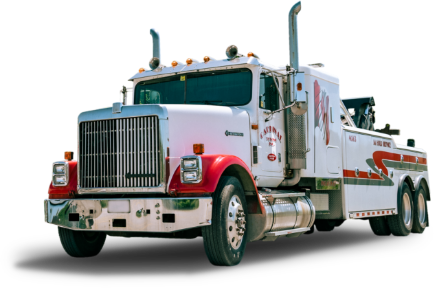
If your vehicle is blocking a lane or creating immediate danger, call emergency services right away. Police can assist with traffic control until help arrives. If you are safely on the shoulder, your next call should be to a professional towing service. Trained tow operators have the equipment and experience needed to remove your vehicle without causing further risk.
Share Clear Location Details When Calling for Help
When requesting a tow, be precise. Tell the dispatcher the highway name, direction of travel, nearest exit, or kilometer marker. Let them know whether you are on the shoulder, in a lane, or in a hard-to-see area. Clear information helps the tow truck arrive faster and prepared for the situation, especially on busy Toronto-area highways.
Stay Alert While You Wait
While waiting for assistance, remain aware of your surroundings. If it is safe, stay inside your vehicle with your seatbelt on. Watch traffic through your mirrors and be prepared if conditions change. Avoid distractions and keep your phone available in case the tow operator needs to reach you.
Understand Move Over Laws and Tow Truck Safety
Ontario’s Move Over laws require drivers to slow down and change lanes when approaching stopped emergency and service vehicles with flashing lights. Tow trucks operate under these rules to protect stranded drivers and roadside workers. Staying in your vehicle allows the operator to work quickly and reduces the chance of injury.
Prepare Ahead to Reduce Stress
Breakdowns are unpredictable, but preparation helps. Keep your phone charged and store reflective triangles, warm clothing, and basic emergency supplies in your vehicle. Regular maintenance lowers the risk of breakdowns, but knowing what to do ensures you can respond calmly and safely if it happens.
Take Extra Care During Winter Breakdowns
Winter conditions increase danger on the highway. Snow, ice, and reduced visibility make stopping more hazardous. If your car breaks down in cold weather, conserving heat is critical. Run the engine only if the exhaust is clear of snow, and dress warmly. In winter, professional towing is even more important to avoid prolonged exposure to the cold.
Why Professional Towing Is the Safest Option
Highway towing requires training, safety equipment, and traffic control awareness. Attempting to move a disabled vehicle without proper tools can lead to injuries or further damage. A professional towing service removes the vehicle efficiently while protecting everyone involved.
Cardinal Towing Can Help Tow Your Car
If your car breaks down on the highway, we respond quickly and handle the situation safely from start to finish. We serve drivers across the Toronto area and understand the risks and rules involved in highway towing. Contact Cardinal Towing today for professional towing help you can rely on.